
No place like Home
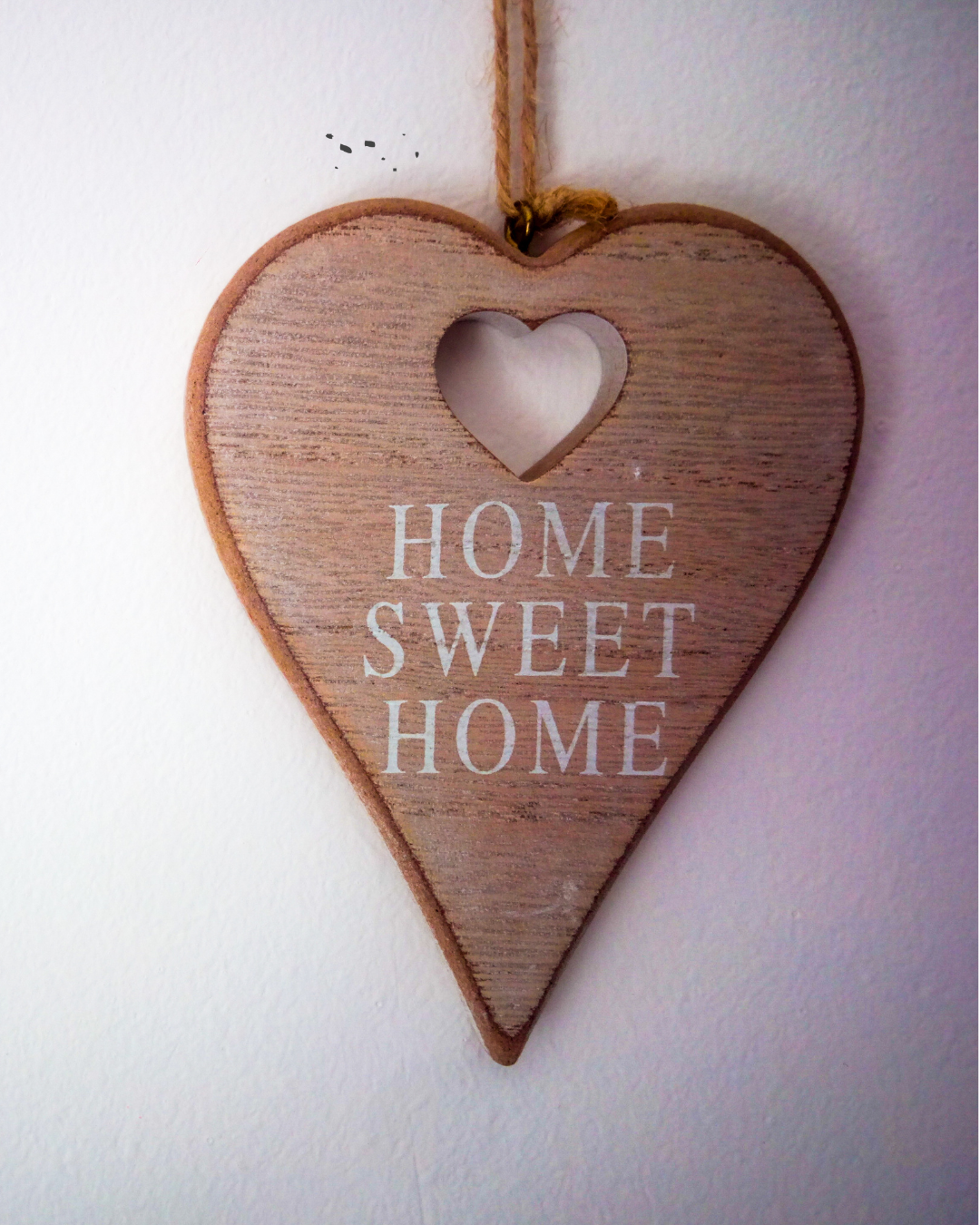
This month we’re putting the fun back into January with our famous Four Corners coaching technique. This week it’s the Home Corner.
Who’s in your support team? Where can you go to when life feels challenging? What’s your happy place, or even happy people, who support you no matter what?
Resourcing ourselves and building resilience is important, but we can’t do life by ourselves. Home isn’t just where you live. It’s a feeling. It’s about safety, connection and being able to be yourself without fear of judgement.
A strong Home Corner is built from healthy relationships, trusted support, and a growing understanding of who you are and what you need. When these foundations are in place, you’re better able to cope with stress, make decisions, and ask for help when things feel hard.
Who’s on your home team?
Your support team is the group of people – and sometimes services – you can turn to when you need help. This might include friends, family members, teachers, coaches, youth workers, counsellors or mentors.
It’s helpful to ask yourself:
- Who listens to me without rushing or judging?
- Who takes my feelings seriously?
- Who helps me feel calmer or clearer after I’ve spoken?
Support doesn’t have to come from one person or parent alone. In fact, having a mix of people often makes support stronger and more reliable.
Building safety and trust
Feeling safe is key. Trust grows when someone is consistent, respectful and honest. Safe people don’t pressure you to be someone you’re not, and they don’t dismiss your feelings or make you feel small when you’re feeling worried or anxious about something.
Trust also includes knowing when someone will keep you safe by getting extra help if needed – even if that feels uncomfortable at first! That kind of care is a sign of healthy support.
Your happy place
Support doesn’t only come from people. It can also be places or activities that help you feel grounded and secure. It could be your bedroom, a park, music, writing, exercise, gaming, art, being in nature, or spending time with pets and animals. Even memories can be a happy place – think back to good times when you’ve felt safe, loved and happy. These ‘happy places’ can also give your nervous system a break. They help you to reset, breathe and reconnect with yourself – which is just as important as talking things through. Which brings us onto…
Feeling at home in yourself
A really important part of the Home Corner is learning how to feel more at home inside yourself. This means understanding your emotions, recognising your limits and knowing what helps you cope. The better you understand yourself, the easier it becomes to ask for the right kind of support – and to notice when something doesn’t feel right.
Healthy vs unhealthy support
Sometimes people try to help but it makes things worse! Or they might not have your best interests at heart. Knowing the difference matters. Healthy support helps you grow, feel respected and become more independent over time. Unhealthy support may feel controlling, dismissive, or leave you feeling worse about yourself. Doctors and mental health professionals are part of the Home Corner too – especially when something feels too big to handle alone.
Building your Home Corner
Your Home Corner isn’t fixed. It grows and changes as you do. By noticing who supports you well, what helps you feel safe, and what you need to feel balanced, you’re building a strong foundation – one that can support you through whatever life brings.
Fun exercise: Build your Home Corner?
Who and what is in yours? You’ll probably be surprised to see you have more people there than you think! Draw it as a mind map on a piece of paper and stick it on your bedroom wall. Or keep it on your phone Notes, so you can read it when you feel a bit wobbly.
And remember: asking for support isn’t weakness. It’s one of the strongest things you can do.
Next week: Referees Corner